
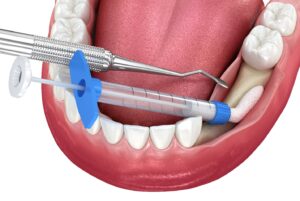
If your dentist has recommended a dental bone graft, you may be wondering what recovery will be like. Bone grafting is often performed to strengthen or rebuild areas of the jawbone before dental implant placement. Although healing takes time, knowing what to expect can make the process less stressful. Every patient’s recovery is different, so always follow your dentist’s specific post-operative instructions.
Expect Some Swelling and Discomfort
It’s normal to experience some swelling, tenderness, or bruising after a bone graft. Swelling may become more noticeable during the first few days before gradually improving.
Your dentist may recommend over-the-counter or prescription medication to manage discomfort. Take medications only as directed, and contact your dental office if pain becomes severe or continues to worsen instead of improving.
Applying a cold compress to the outside of your face during the first day may also help minimize swelling. Follow your dentist’s instructions about how long and how frequently to use it.
Stick With Soft Foods
Your mouth may be sensitive following surgery, making chewing uncomfortable. For the first several days, choose soft foods that don’t require much chewing, such as pasta, eggs, smoothies, oatmeal, and cooked vegetables.
Avoid hard, crunchy, sticky, or chewy foods that could irritate the surgical area. Your dentist will let you know when it’s appropriate to gradually return to your normal diet.
Staying hydrated is also important. Unless your dental professional tells you otherwise, drink plenty of water and avoid alcohol during the initial healing period.
Take Care of the Surgical Site
Good oral hygiene remains important, but you need to be careful around the grafted area. Your dentist will explain when and how to brush, floss, and rinse your mouth after the procedure.
Don’t poke, touch, or pull at the surgical site. If you have sutures, follow your dentist’s instructions regarding care and removal.
Smoking and tobacco use should be avoided because they can interfere with healing and increase the risk of complications.
Give Your Jaw Time to Heal
Although you may begin feeling better within days or weeks, the bone graft itself takes considerably longer to heal. Your jawbone needs time to integrate the graft material and develop sufficient strength for future treatment.
If you’re receiving a bone graft in preparation for dental implants, your dentist will monitor your healing and determine when the site is ready for the next stage of treatment. Contact your dental office if you experience severe or worsening pain, excessive bleeding, significant swelling, fever, pus or drainage, or other symptoms that concern you.
Dental bone grafting can be an important step toward restoring your smile and creating a stronger foundation for dental implants. With careful aftercare and regular follow-up appointments, you can give your mouth the best possible opportunity to heal properly.
About the Author
Dr. Zachary Carnow is a board-certified periodontist with a dental degree from the University of the Pacific Arthur A. Dugoni School of Dentistry. He completed a 1-year implant residency through the Loma Linda University School of Dentistry and specialty training in periodontics at Tufts University School of Dental Medicine. His specialty practice in Frisco is tailored to performing procedures like bone grafting, whether it’s due to bone loss from periodontal disease or to prepare for dental implant surgery. Book with us online or call (214) 619-4990.