
Feel More Relaxed with Your Frisco Sedation Dentist
 Undergoing periodontal and surgical care can be intimidating for many patients, which is why Dr. Zachary Carnow and the rest of our team at Frisco Periodontics and Dental Implants go out of our way to create a fully comfortable experience. With the help of sedation dentistry, you can feel much more relaxed and at ease throughout your procedure, and you’ll have a healthier, happier smile to enjoy at the end. Contact our Frisco, TX location today to schedule an appointment! New patients from McKinney, TX and surrounding areas are always welcomed.
What Kinds of Sedation Dentistry Do You Offer?
Nitrous Oxide Sedation
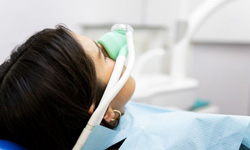
Also known as “laughing gas,” nitrous oxide is a mild sedative that is breathed in through the nose via a special mask. After a few minutes of inhaling it, you should start to experience feelings of calmness and contentment. Your treatment should be a breeze! At the end of your appointment, the effects wear off quickly as well, so you can get back to your routine with minimal downtime.
Who Is a Good Candidate for Nitrous Oxide?
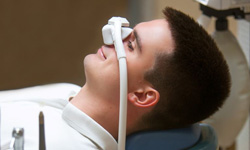
Nitrous oxide is a suitable choice for most patients. It could benefit you if you:
- Have a strong gag reflex.
- Find it difficult to sit still in the treatment chair.
- Are afraid of needles.
- Experience fear or anxiety when undergoing dental treatments.
- Are not easily numbed by local anesthesia.
On the other hand, some patients are not an ideal fit for nitrous oxide. For example, it is not typically recommended for those who are pregnant, suffering from sinus congestion, or who have certain respiratory diseases. Our team will screen you in order to make sure that nitrous oxide is a low-risk sedative option for your unique circumstances.
How Does Nitrous Oxide Work?
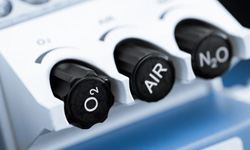
The nitrous oxide process is simple and non-invasive. We place a special mask over your nose, and we use a machine to administer a mix of nitrous oxide and oxygen. Almost immediately, you should begin to feel its effects. You may experience enhanced calmness, and a feeling of well-being will settle over you. You might even feel a bit giddy.
We can adjust your level of sedation throughout your procedure. Once our team is finished working, the nasal mask will be removed, and within minutes, the effects of the nitrous oxide should wear off.
Aftercare for Nitrous Oxide

Although nitrous oxide wears off quite quickly, we may still ask that you stay in our office for a few minutes so we can make sure you feel like your normal self before you drive home. Some patients might experience a touch of grogginess, a slight headache, or mild nausea as a side effect; again, such things should wear off relatively quickly.
No extended downtime is required with nitrous oxide; you should be able to return to your normal routine right away. However, if you underwent an invasive or complex procedure, you may need to get extra rest so your body can recover. Be sure to follow any aftercare instructions provided by our team.
Oral Conscious Sedation

Oral conscious sedation is a powerful but simple method of relaxation. You will be prescribed a sedative to take at a certain time before your appointment is set to begin. Once the medication takes effect, you can expect to enter a deep state of relaxation; you may not even remember the procedure once it is completed. You will need a trusted friend or family member to bring you both to and from our Frisco location.
What Is Oral Conscious Sedation?

Oral conscious sedation does not involve the use of any needles or masks. In fact, all you have to do is swallow a prescribed pill shortly before your treatment is scheduled to begin. Within about 15 minutes or so, you should start to feel its effects. It can allow you to remain comfortable and relaxed, even if you need to undergo a somewhat lengthy or complex procedure.
The specific medications used for oral conscious sedation can vary, but some common options include Valium, Ativan, and Halcion.
How Does Oral Conscious Sedation Work?
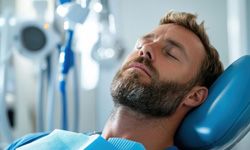
Oral conscious sedation can be quite powerful. While you are under its influence, you should not drive or do anything else with a potential for injury, so you should be sure to arrange a ride to and from our practice. The effects of the sedation will likely linger for at least several hours after your appointment.
During your appointment, you should remain relaxed. You might drift off to sleep, but for the most part, you will likely remain aware enough to respond to questions and directions from our team.
Are You a Good Candidate for Oral Conscious Sedation?

Oral conscious sedation might be a suitable option for you if:
- You struggle with dental anxiety or fear.
- You have a very sensitive gag reflex.
- It is difficult for you to sit still or keep your mouth open for extended periods.
- You are not easily numbed by local anesthesia.
Our team will also have to make sure that you do not have any serious contraindications for oral conscious sedation. For example, you should not be pregnant. You should also be free of certain allergies and respiratory conditions.
IV Sedation
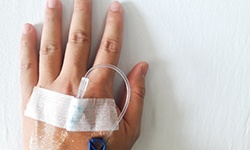
IV sedation is the most powerful form of sedation available in our office. With this method, the sedative is administered directly into the bloodstream through a needle placed in your hand or arm. After a few moments, you will start to experience a warm, relaxing sensation throughout your entire body. Although unconsciousness is not the goal of IV sedation, it is sometimes called “sleep dentistry” because it makes many patients feel like they just napped through their procedure!
What Is IV Sedation?

With IV sedation, we insert a small needle into your hand or arm. That needle is connected to a machine that administers exact doses of a sedative medication directly into your bloodstream. It can put you in such a deep state of relaxation that you may drift off to sleep. (Since IV sedation is so powerful, some people call it sleep dentistry or twilight sedation because it can create the illusion of unconsciousness without actually causing unconsciousness.)
The medications used for IV sedation can vary, but Midazolam and Diazepam are common choices. We can adjust your level of sedation throughout your appointment so you remain comfortable, even if you need an extensive procedure. We will also monitor you closely while you are sedated so we can take fast action on the small chance that you react poorly to the sedative.
Who Is a Good Candidate for IV Sedation?

IV sedation might be a good choice for you if:
- You need an extensive or lengthy procedure.
- Your oral tissues are sensitive, and you are not easily numbed by local anesthesia.
- You struggle with moderate to severe dental anxiety or fear.
- You have a highly sensitive gag reflex.
You should also be free of contraindications that would make IV sedation unsafe for you. For example, it is not typically used for pregnant women, individuals with certain respiratory conditions, or those with allergies to any of the ingredients in common sedatives. Our Frisco team will thoroughly screen you for such issues before we approve you for IV sedation.
The Benefits of IV Sedation

Some of the most remarkable benefits of IV sedation include:
- IV sedation works quickly and can be adjusted in real time to provide optimal comfort for each individual patient.
- You are likely to have little or no memory of the procedure, which can help reduce future dental anxiety.
- When it is administered by a qualified professional, IV sedation is generally quite safe.
- Sedation may allow you to get necessary procedures that you would otherwise delay or avoid. In other words, it can play a great role in supporting both your oral health and overall wellness.
Sedation Dentistry FAQs
Is Sedation Dentistry Safe?
For the vast majority of patients, sedation dentistry is quite safe. The medications used have a long history, and severe adverse effects are rare. Moreover, as a highly qualified sedation dentist in Frisco, we take every reasonable precaution to protect our patients. For example, we will thoroughly screen you for any medical conditions that would make sedation risky for you. We will also monitor you closely during your procedure so we can take fast action if we notice that you are not reacting well to the sedation.
Is Sedation Dentistry Safe While Pregnant?
Sedation is generally not advisable during pregnancy. That is because the medications used could pass through the placenta and affect the fetus, which could have a bearing on the baby’s development. It is usually best to delay major dental procedures until after pregnancy.
However, if you have an urgent need for treatment, we may be able to perform it under local anesthesia. Local anesthesia is quite safe for developing babies and may be used during any stage of pregnancy. Or, in some cases, we may be able to administer mild sedation during the second trimester of pregnancy, when the risks tend to be lowest.
Will I Remember Anything with Dental Sedation?
Some types of sedation may affect your ability to remember your procedure. Memory loss is a common side effect of oral conscious sedation and IV sedation. Many patients like this aspect of care because the sights, sounds, and sensations of dental procedures make them uncomfortable. Memory loss is less common with nitrous oxide.
How Much Does Sedation Dentistry Cost?
The cost of sedation dentistry depends on the specific type of sedation used, as well as the dosage. Generally speaking, oral conscious sedation and nitrous oxide are the most affordable options; they may increase the total cost of your care by just a few hundred dollars. IV sedation is more complex and can lead to a greater increase in fees.
Our team can provide a cost estimate before you commit to anything. We will also be happy to help you understand your payment options, such as low-interest financing through CareCredit.
How Long Does Dental Sedation Last?
How long the sedation lasts will depend on the specific techniques used. With nitrous oxide, you should return to full alertness within just a few minutes of when we remove the nasal mask. You should even be feeling well enough to drive yourself home.
Oral conscious sedation and IV sedation can produce effects that last for much longer, perhaps up to a full day. During that time, you should not drive or engage in any other potentially dangerous activities. Instead, you should plan to get plenty of rest.
More to Explore
Non-Surgical Treatment Surgical Treatment View All Our Services